SVMoA Blog
Art Where Community Happens: Building Connections Through Summer Partnerships
Ava Scanlan (Marketing & Communications Director)

The Museum has been busy this summer, with more than thirty programs happening inside our walls. But what you might not see is just how much the Museum is doing beyond them. This summer, our Museum Educators have been bringing art experiences to children, teens, and families throughout the Wood River Valley.
Through partnerships with SummerBridge Education Camp, The Hunger Coalition’s Bloom Lunch, Far + Wise, and The Space, we created nearly 800 opportunities for children and teens to engage with art this summer. Sometimes that meant bringing SVMoA out into the community. Other times, it meant welcoming young people into the Museum. Both matter.
Because when we talk about access to the arts, we're talking about more than access to art supplies or museum exhibitions.
We sat down with Dianne Sánchez, Director of Learning & Engagement, to discuss giving young people opportunities to be curious, make choices, take creative risks, solve problems, and express something that is entirely their own. And why all those things matter.
Why are community partnerships so important to SVMoA?
I think a museum should be part of its community, not just a place within it.
We have this wonderful physical space in Ketchum, but if we want people throughout the Wood River Valley to feel that SVMoA belongs to them, we also have to show up where they are.
And we're not doing that work alone. Our partners know their communities incredibly well. They bring relationships, trust, expertise, and spaces where people already feel comfortable. We bring art, artists, materials, and a willingness to try things together.
That exchange is what makes these partnerships work.
So what did that actually look like this summer?
Honestly, it looked different almost every week.
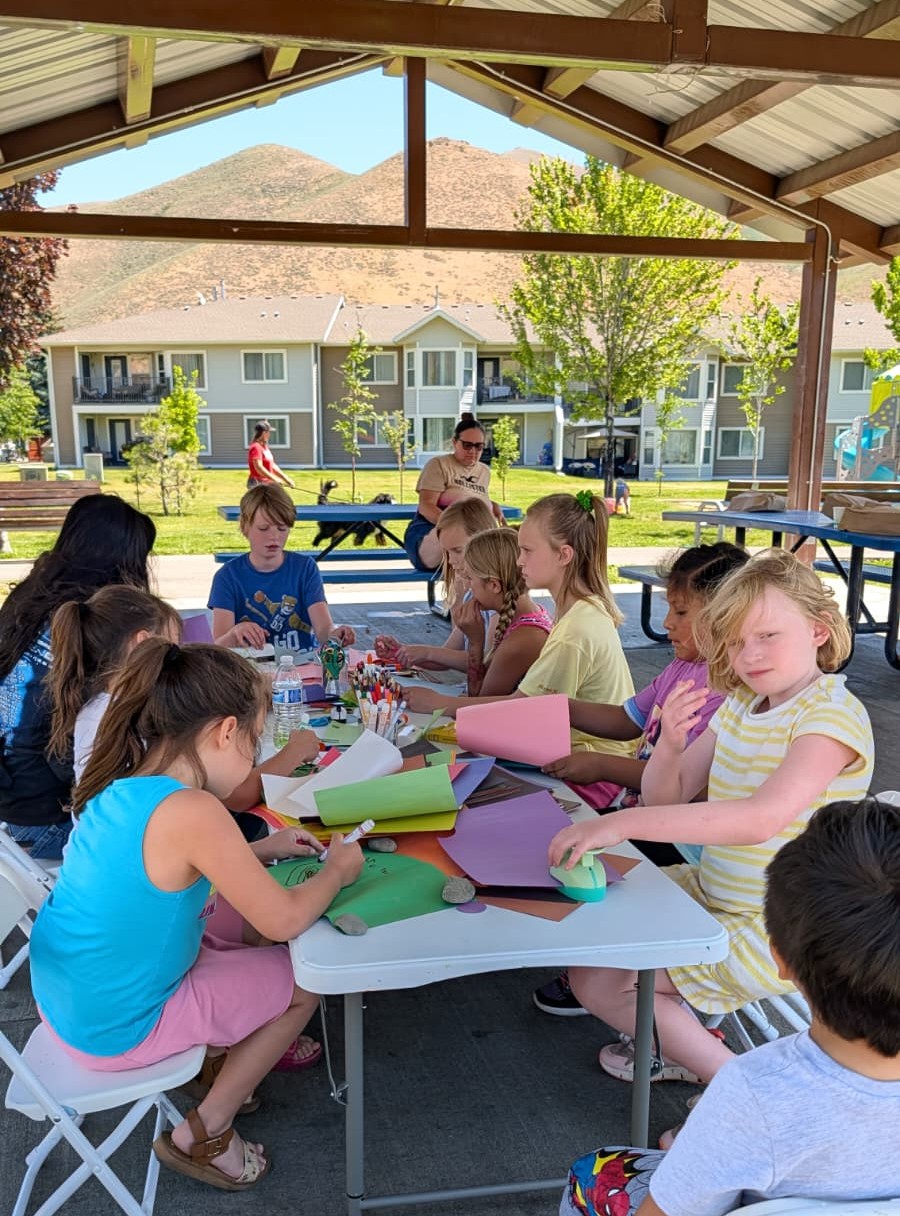
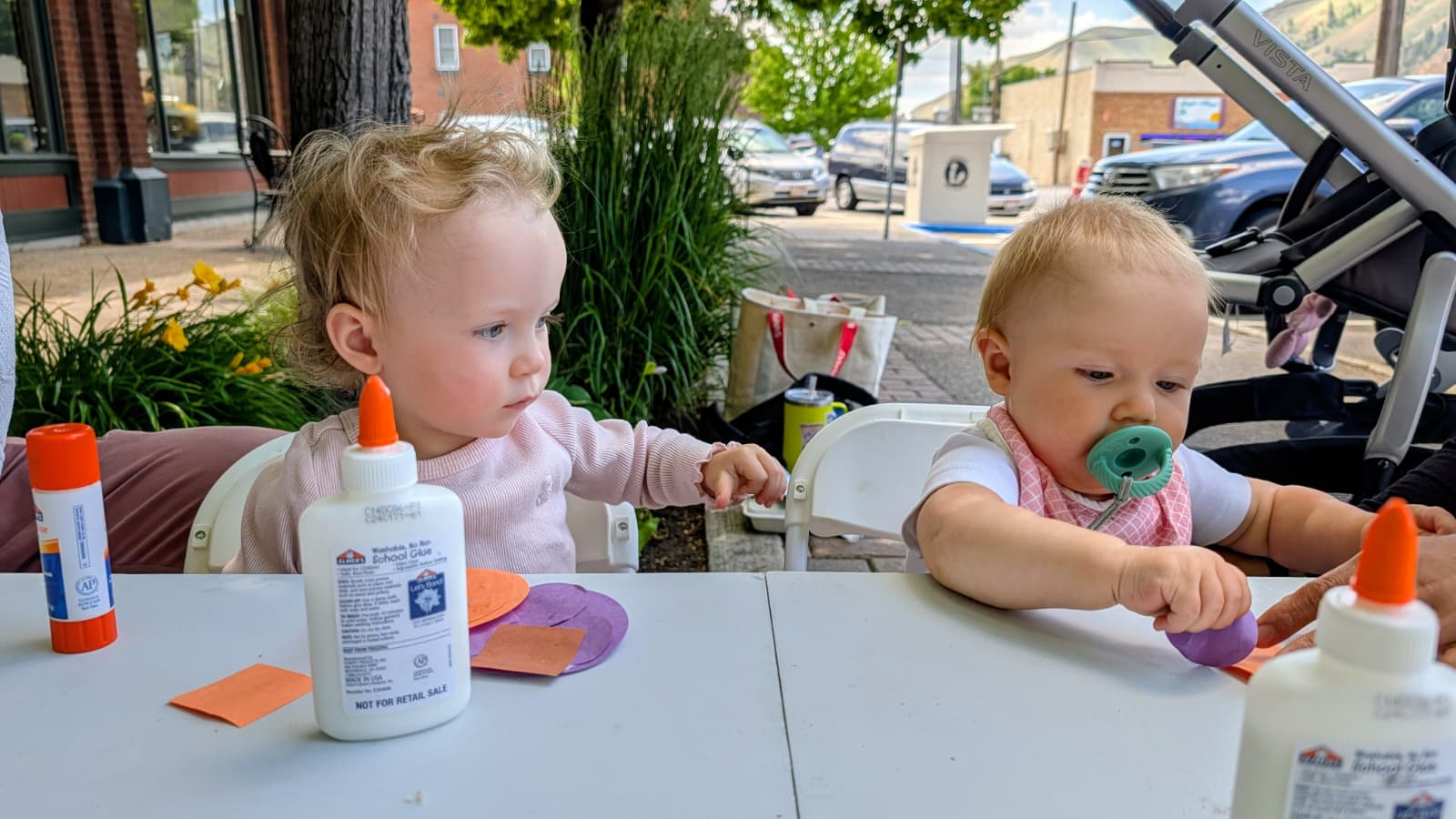
For nine weeks, we joined The Hunger Coalition's Bloom Lunch at locations throughout Blaine County, from Carey and Bellevue to Kiwanis Park in Hailey and the Hailey Public Library. More than 475 children participated in free art-making with us over the course of the summer.
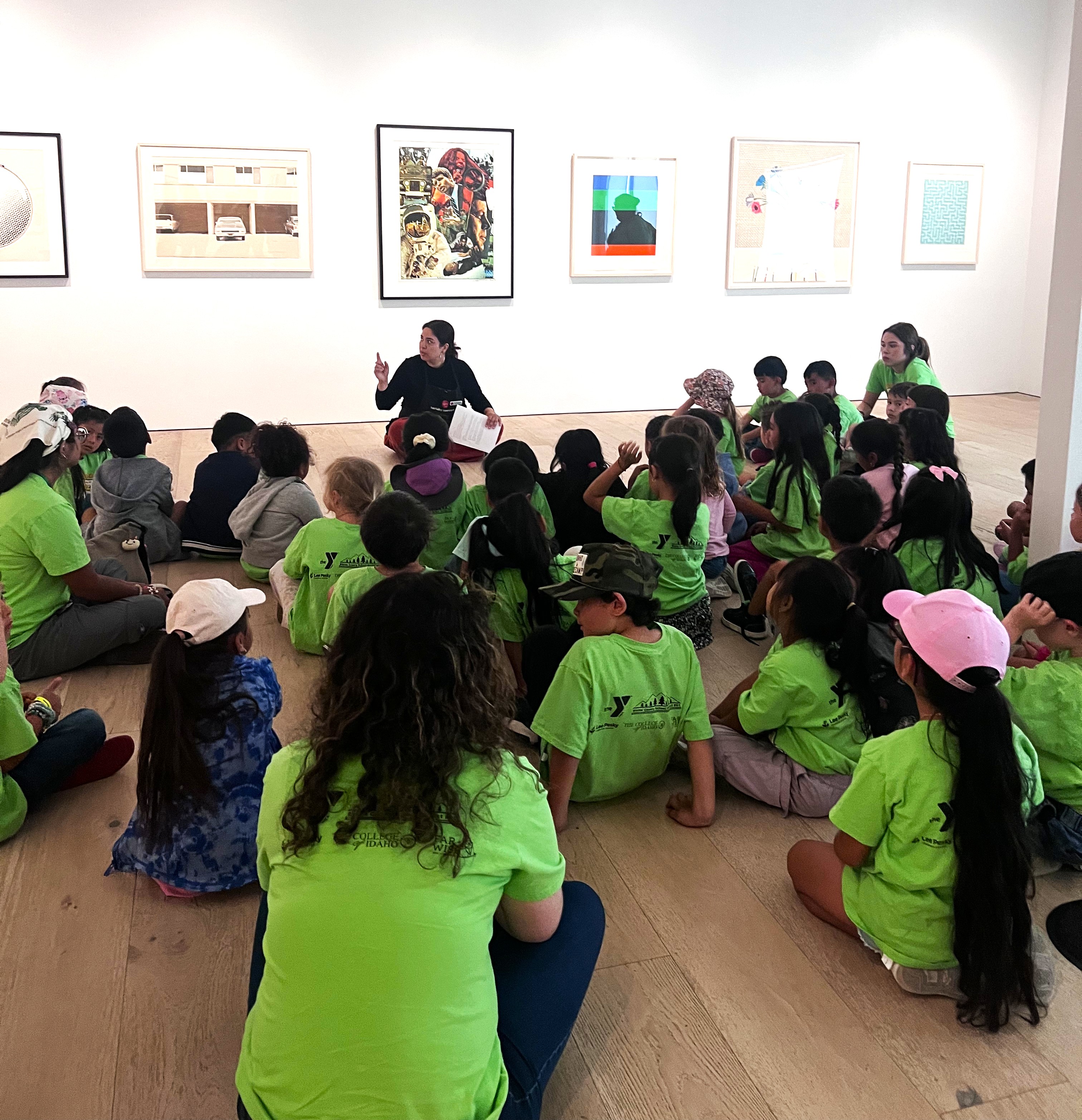
With SummerBridge, we worked with approximately 275 students. Some came to SVMoA to explore our exhibitions. Other times, we went to them with art projects and conversations about what they were seeing, thinking, and making.
Then there were the 20 Far + Wise middle schoolers who spent three weeks exploring alternative photography. They built pinhole cameras out of oatmeal containers, and we turned our Hailey Classroom into a darkroom. There is something pretty fantastic about watching a kid realize that a Quaker Oats container can actually make a photograph.
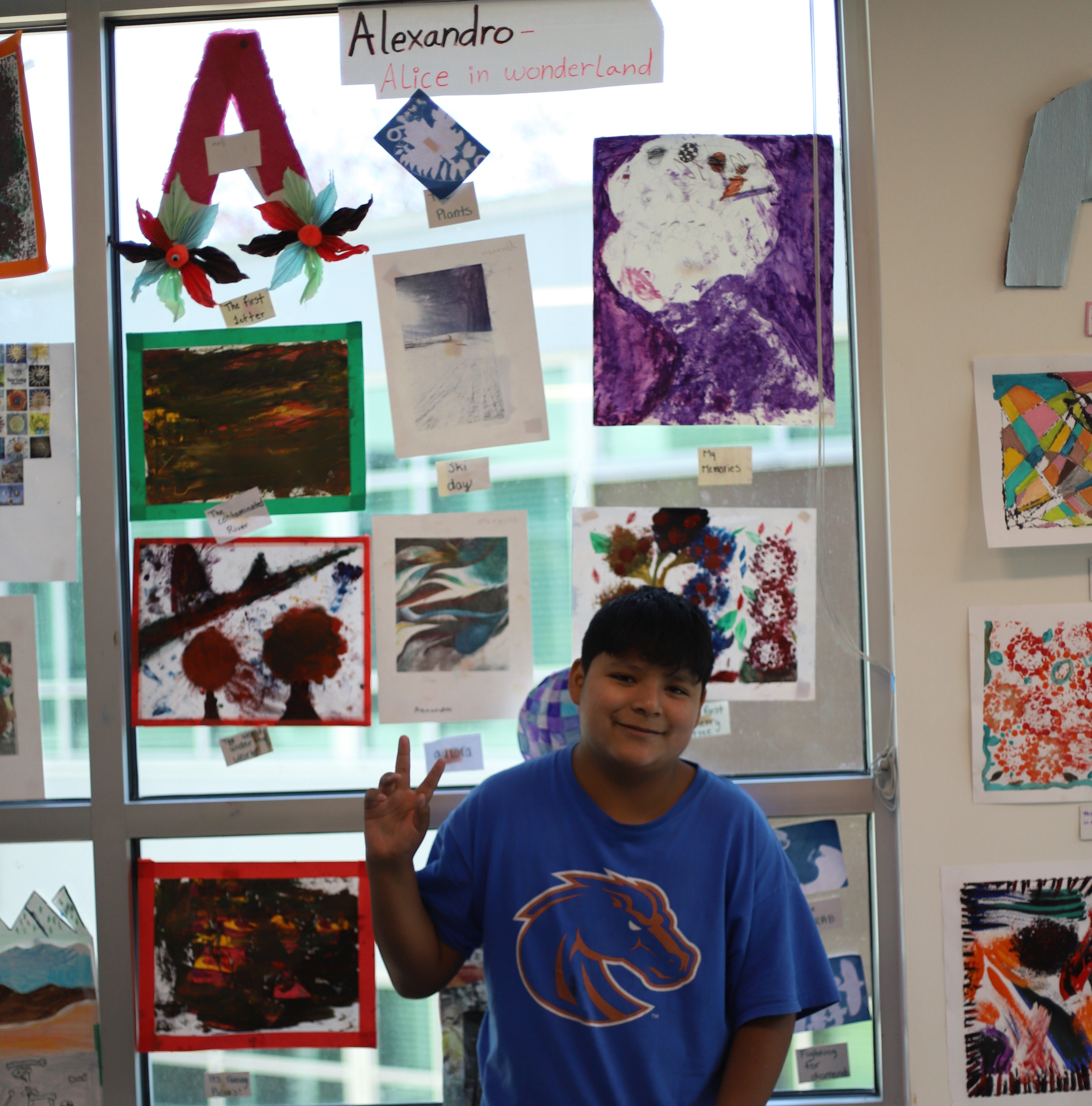
And through The Space's Bilingual Scholars program, we worked with another 20 students, making art together throughout their program and ending with a celebratory walkthrough exhibition of their work.
What happens when you bring art into spaces like these?
Children engage.
That's one of the things I've seen again and again as an arts educator. Give a young person something interesting to make, a problem worth figuring out, and enough freedom to approach it in their own way, and you see a different kind of learning happen.
Art asks young people to make decisions. What happens if I try this? What do I want this to say? Why didn't that work? What could I do differently? There isn't always one correct answer, and that's important. Young people need places where experimentation isn't a detour from learning. It is the learning.
You see that socially, too. Put materials on a table and kids start looking at what everyone else is doing. They trade ideas. They teach each other. Someone who was hesitant five minutes ago is suddenly showing another child how they figured something out.
And art gives young people another language. Not every child is going to be the first to raise their hand or have the words to explain exactly what they're thinking or feeling. Making something gives them another way in.
That's the power of arts education for me. It tells young people that their ideas are worth exploring and that their perspective is worth sharing.
How does this connect to SVMoA's mission?
Our mission is to connect people to contemporary art and artists. But I don't think that connection has to start with the art already hanging on the wall.
It can start in a park. It can start over lunch. It can start with a six-year-old choosing a paint color or a middle schooler poking a tiny hole into an oatmeal container and wondering how on earth that is supposed to become a camera.
Those experiences build curiosity and confidence. They give young people a chance to see themselves as makers, thinkers, and creative people.
And then, when that same child walks into SVMoA, hopefully the Museum doesn't feel like a place they need permission to enter.
It feels like theirs, too.
What are you taking away from this summer?
I keep coming back to the importance of showing up.
Real community engagement takes time. You can't build a relationship with a community through one event, take a photo, and call it done. You come back. You listen. You remember people. You learn what works and what doesn't. And eventually, people start to know you, too.
The numbers are important. Nearly 800 arts experiences tell us something about the reach of this work. But they're not really what I remember at the end of the summer.
I remember the kids showing each other what they made. I remember the excitement of watching an image slowly appear in the darkroom. I remember families sitting down together at Bloom Lunch. I remember young people proudly walking us through an exhibition of their own work.
Those moments may look small, but they're doing something important. They're giving young people opportunities to imagine, experiment, communicate, and see themselves as people capable of creating something that wasn't there before.
That's why access to the arts matters.
Our community partners make those opportunities possible, and so do the people who support SVMoA and believe that arts education should be part of growing up in the Wood River Valley.
Every time we show up with a box of art supplies, welcome a student through the Museum doors, or turn an oatmeal container into a camera, we're reinforcing something I want every young person we work with to know:
Your ideas matter. Your creativity matters. And there is a place for you here.